19 November 2026
TRT Replacement Therapy Near Me: What to Know Before You Book
Presented by @lanepxvs919

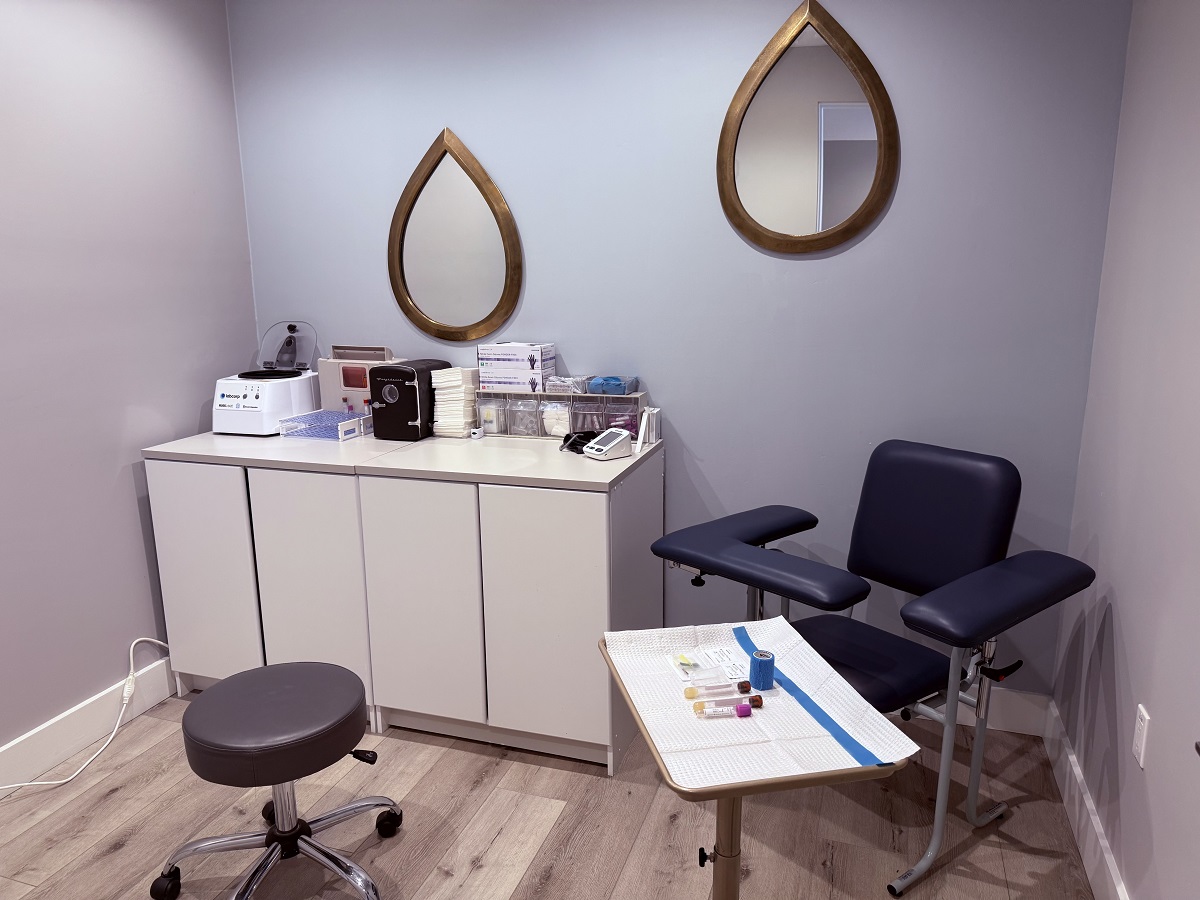
Typing “Trt replacement therapy near me” into a search bar is usually not where the story starts. Most men get there after months, sometimes years, of feeling off in ways that are hard to pin down. Energy drops. Recovery slows. Libido changes. Mood flattens out. Workouts stop producing the same result. Sleep gets weird. A person can look perfectly healthy from the outside and still feel like his engine is idling low every day.
That is exactly why the first appointment matters. Testosterone replacement therapy can be helpful for the right patient, but it is not a casual wellness add-on, and it should not be sold like a shortcut. The clinic you choose, the testing they require, the questions they ask, and the way they talk about risk all tell you a lot before you ever sit in an exam room.
If you are looking for a local TRT provider, the goal is not just convenience. It is finding a practice that treats a hormone issue with the same seriousness it would give blood pressure, diabetes, or thyroid disease. A well-run clinic will make you feel informed, not rushed. It will explain why you may be a good candidate, why you may not be, and what has to be monitored once treatment begins.
Start with the right question
Many people search for treatment before they have confirmed the diagnosis. That is understandable, but it can lead to bad decisions. Low testosterone symptoms overlap with several common problems, including poor sleep, sleep apnea, chronic stress, excess alcohol use, depression, obesity, overtraining, certain medications, and even calorie restriction from aggressive dieting.
A good provider will not diagnose you on symptoms alone. They should want lab work, medical history, and a broader picture of your health. In practice, that usually means asking when symptoms started, whether they came on gradually or suddenly, what your sleep is like, whether you snore, whether you have children or still want them, what medications you take, and whether you have a history of blood clots, heart disease, or prostate issues.
This is where a lot of online marketing gets people in trouble. If a clinic promises that fatigue, weight gain, low motivation, and reduced sex drive automatically mean you need testosterone, treat that as a warning sign. Those symptoms are real, but they are not specific enough to justify treatment by themselves.
What a proper evaluation usually looks like
Testosterone levels are not static. They shift throughout the day and can vary based on sleep, illness, stress, and body composition. That is why experienced clinicians do not rely on one random result from the afternoon after a bad night’s sleep. They usually want morning bloodwork, and often more than one test, especially if the first result is borderline.
The workup often goes beyond total testosterone. Free testosterone may matter depending on the case. So can sex hormone-binding globulin, estradiol, luteinizing hormone, follicle-stimulating hormone, complete blood count, comprehensive metabolic panel, PSA in appropriate patients, thyroid markers, and sometimes prolactin. Not every person needs the same panel, but the point is simple: TRT should come after a real evaluation, not before it.
One pattern that comes up often is a man in his late thirties or forties with Trt replacement therapy near me fatigue and lower libido, who assumes testosterone must be the cause. Then the workup shows severe sleep apnea, chronically short sleep, and elevated hematocrit even before therapy. In that case, jumping straight into TRT could make things worse, not better. Sleep apnea alone can affect testosterone status, energy, and mood, and TRT may worsen untreated apnea in some cases. A responsible clinic knows the difference between “possible candidate” and “needs a broader medical plan first.”
Local clinic, telemedicine, or a hybrid approach?
Searching for “Trt replacement therapy near me” often brings up local men’s health clinics, anti-aging practices, primary care offices, urology groups, endocrinology clinics, and telemedicine brands with local lab access. Each model has strengths and limitations.
A local clinic can be useful if you value in-person exams, on-site injections, closer follow-up, and easier access when something feels off. Urologists and endocrinologists may offer deeper specialty experience, especially if your case is complicated or fertility matters. Some primary care physicians handle straightforward TRT very well, particularly when they know your broader health history.
Telemedicine can work for stable patients who want convenience, but it should still include proper labs, clear protocols, and a realistic plan for follow-up. If the whole model seems designed to get medication into your hands fast, with minimal screening and vague oversight, be careful. Convenience is helpful. Minimal medical judgment is not.
In the best hybrid models, you can complete lab work locally, review results in a detailed visit, and still have access to in-person support if questions come up. That balance can work well for busy professionals who do not want to spend half a day in a waiting room every time they need follow-up care.
Red flags that deserve your attention
When people are new to hormone therapy, they often focus on price or speed. Those matter, but they should not come first. The fastest clinic is not automatically the best clinic, and the cheapest monthly package can end up being expensive if the care is sloppy.
Here are some signs to watch for:
- They offer treatment before doing a meaningful medical review or proper lab work.
- They promise dramatic body composition or sexual performance results without discussing variability.
- They dismiss fertility concerns or never ask whether you want children.
- They cannot explain their monitoring plan for blood counts, estrogen-related symptoms, or PSA when relevant.
- They pressure you into prepaid packages before you understand the treatment plan.
A skilled practice does not need hype. It should be able to explain what it does, why it does it, and what can go wrong.
The fertility question is bigger than many men realize
This is one of the most important parts of the conversation, and it gets missed far too often. Testosterone replacement can suppress the body’s own testosterone production and lower sperm production. For some men, that means significantly reduced fertility while on treatment.
If you are 28 and certain you are done having children, that is one scenario. If you are 38, engaged, and think you “might want kids in a year or two,” that is another. Yet plenty of men sit down for their first TRT consult without understanding that distinction.
That does not mean a person with low testosterone symptoms has no options if fertility matters. It means the treatment plan has to be built with that goal in mind. Depending on the situation, a clinician may discuss alternatives or adjuncts rather than standard replacement alone. The right approach depends on your labs, your symptoms, and your timeline for trying to conceive.
When a clinic glides past this issue in thirty seconds, that tells you something. It usually means they are running a simplified sales model, not practicing careful medicine.
What treatment actually involves
There is a persistent misconception that TRT means one shot and a dramatic turnaround. Real life is less cinematic. Treatment can involve injections, gels, patches, or other formats depending on the patient and the prescriber’s approach. Each has practical trade-offs.
Injections are common and often cost-effective, but they require comfort with needles or office visits. Some men feel stable on a given schedule. Others notice peaks and troughs if dosing is spaced too far apart. Topical options avoid injections, but they can be less convenient if you have concerns about skin transfer to partners or children, or if absorption is inconsistent. One person may do well on gel for years. Another may find it frustrating within two months.
This is why a good clinic does not just say, “Here’s your treatment.” It explains dosing philosophy, expected timeframe, side effects to watch for, and what follow-up labs are intended to show. Most men do not feel a full change overnight. Some notice libido shifts earlier, while energy, training recovery, mood, or body composition can take longer and may depend heavily on sleep, nutrition, and overall health.
TRT is not magic. It is one variable in a bigger system.
The numbers that matter after you begin
Once therapy starts, the work is not over. Monitoring is part of the treatment, not an optional add-on. Blood counts matter because testosterone can raise hematocrit in some men. If that climbs too high, it can become a safety issue that needs attention. Estradiol-related symptoms may need review in context rather than panic. Liver and kidney markers may be checked depending on your overall picture. PSA may be monitored in appropriate patients. Blood pressure, weight, symptoms, and sleep all matter too.
One practical mistake I have seen more than once is a patient focusing only on whether the testosterone number looks “high enough.” That narrow mindset can lead to overtreatment. The goal is not a lab trophy. The goal is symptom improvement with reasonable safety and a dosing plan that is sustainable.
A patient can have a higher number and feel worse because sleep is still poor, anxiety is up, hematocrit is rising, or estrogen-related side effects are showing up. Another patient can sit at a less dramatic number and feel substantially better because the treatment is balanced, the follow-up is consistent, and the rest of his health is being managed alongside it.
Cost is not just the monthly price
One of the first practical questions people ask is whether TRT is affordable. The honest answer is that cost varies a lot. The advertised monthly price may include medication but not comprehensive labs. Some clinics include follow-up visits. Others charge separately. Some practices bill insurance for portions of care, while others are fully cash-based. Compound pharmacy arrangements, branded medications, delivery costs, and office administration fees can all affect the total.
There is also the hidden cost of poor oversight. If you sign up for a low monthly rate and discover three months later that no one is really reviewing your labs, answering messages, or adjusting treatment thoughtfully, you did not save money. You bought a hassle.
Before you book, ask how the clinic structures care over the first year. The answer should be clear enough that you can understand not just the first bill, but the likely rhythm of lab testing, medication refills, and follow-up visits. If every answer sounds vague until after payment, step back.
How to tell if a clinic is thinking clinically, not commercially
A polished website does not mean much by itself. Some of the most aggressively marketed hormone clinics are the least medically careful. What matters more is how they think. Do they ask questions that help rule things in and rule things out? Do they discuss reasons not to start? Do they explain why they might delay treatment while evaluating sleep, weight, or another condition? Do they mention fertility without prompting? Do they talk about expectations in measured terms?
Good medical judgment often sounds less exciting than sales language. It leaves room for uncertainty. It acknowledges that one patient may feel meaningfully better and another may only get partial symptom relief. It emphasizes follow-up. It is willing to say, “We need more information first.”
That answer can feel frustrating when you are tired and want relief now. It is still the answer you want from someone responsible for your care.
Questions worth asking before you book
You do not need to walk into a consultation with a medical degree, but you should arrive with a few direct questions. The quality of the answers will tell you a lot.
Ask what lab work they require before treatment and whether they repeat morning testosterone testing when appropriate. Ask how they handle men who may want future fertility. Ask what symptoms and markers they monitor after treatment begins. Ask which treatment forms they prescribe most often and why. Ask what happens if your blood count rises or if your symptoms improve only partially.
Notice whether the provider answers in specifics or drifts into general marketing language. Precision is reassuring. Evasion is not.
Why “feeling better” can be more complicated than expected
Patients sometimes expect TRT to solve fatigue, motivation, mood, gym performance, and sexual health all at once. Sometimes it helps several of those areas. Sometimes it clearly improves one or two and leaves others mostly unchanged. That is not necessarily treatment failure. It may mean you are dealing with more than one issue.
For example, a man may start therapy and notice stronger libido and better morning energy, yet still struggle with afternoon fatigue. In practice, that can trace back to poor sleep timing, untreated sleep apnea, overly high training volume, shift work, low calorie intake, or stress that has been normalized for so long it barely registers anymore. The best TRT clinicians do not pretend hormones explain every symptom. They keep the rest of the picture in view.
This matters because disappointment often follows unrealistic expectations, not just ineffective treatment. A thoughtful doctor or advanced practice clinician will set a clear baseline, watch for changes over time, and help separate hormone-related improvement from everything else that also needs work.
The role of lifestyle is real, even when testosterone is low
Some patients hear “work on sleep, diet, weight, and exercise” and assume the provider is brushing them off. That can happen, but often it is exactly the right advice. TRT and lifestyle are not opposing strategies. They interact.
Men who sleep five hours a night, drink heavily on weekends, carry significant visceral fat, and train inconsistently often expect medication to pull far more weight than it realistically can. The therapy may still help if low testosterone is truly present, but the result will usually be better if the basics improve too. On the other side, some men have done the basics for years, still have persistent symptoms, and genuinely benefit from well-managed replacement. The difference is not moral effort. It is careful diagnosis and context.
A good clinic should be able to hold both truths at once.
If you already have labs from somewhere else
Bringing recent lab work can be helpful, but do not be surprised if a reputable clinic wants to repeat some tests. Timing, lab quality, reference ranges, and the completeness of the panel all matter. If your only testosterone result was taken at 4:30 in the afternoon after a week of bad sleep, most experienced clinicians will not want to anchor a long-term treatment plan to it.
That is not duplication for the sake of billing. It is basic medical caution.
If a clinic accepts incomplete, poorly timed, or old results without much thought because it makes starting easier, that is worth noticing too.
The best local option may not be the closest one
When people search “Trt replacement therapy near me,” they usually mean proximity. That makes sense. No one wants a burdensome healthcare routine. Still, the best provider may not be five minutes away. In some areas, it may be worth a slightly longer drive to see a practice that handles hormone therapy with more rigor.
I have seen patients choose the nearest Trt replacement therapy near me clinic, only to switch later after they realize every visit feels like a refill transaction. I have also seen patients travel a bit farther for a clinician who asks better questions, monitors more carefully, and adjusts treatment based on actual response rather than a fixed formula. Over a year or two, the difference in experience can be substantial.
Convenience matters most once the quality threshold is met. It should not replace the quality threshold.
When not booking yet is the smartest move
Sometimes the best next step is not treatment but more evaluation. If symptoms are vague, if fertility is an immediate concern, if sleep apnea is likely, if depression is active, if blood counts are already elevated, or if the diagnosis is still unclear, it may be smarter to pause and sort those issues out first.
That kind of pause can feel discouraging, especially if you came in hoping for a quick fix. It is still a sign of good care. Hormone therapy should move your health forward. If the current picture suggests it may complicate things before the basics are addressed, restraint is a clinical strength, not a failure to act.
Booking with confidence
The right TRT clinic does not need to overpromise. It should be able to evaluate carefully, explain clearly, and follow through consistently. If you are comparing providers, look for the one that treats testosterone as medicine, not merchandise. Look for clear lab standards, thoughtful questions, honest discussion of risks, and a concrete monitoring plan. Pay close attention to how they handle fertility, side effects, and the possibility that your symptoms may have more than one cause.
There is nothing wrong with searching “Trt replacement therapy near me.” It is a practical first step. Just make sure the booking decision is driven by medical quality, not just location, speed, or persuasive branding. The best first visit should leave you with more clarity than urgency, and a sense that the person on the other side of the desk is trying to get the diagnosis right before trying to make the treatment easy.
SDBody La Jolla
Address: 7710 Fay Ave, La Jolla, CA 92037
Phone number: +18584012383
FAQ About Trt replacement therapy near me
Will insurance pay for TRT therapy in La Jolla, CA?
Coverage varies by plan and may depend on the diagnosis, blood test results, medication and prior authorization. Ask your insurer which visits, lab tests and formulations it covers and what you would pay out of pocket.
What is the most affordable TRT clinic in La Jolla?
Compare written estimates for the initial visit, lab work, medication and follow-up monitoring. Your total cost will depend on your insurance and the care your clinician recommends.
Is TRT replacement good for you in La Jolla, CA?
Testosterone replacement may help some people with symptoms and consistently low testosterone confirmed by blood tests. A clinician can review the potential benefits, risks, fertility plans and monitoring needs before recommending treatment.