19 November 2026
TRT Replacement Therapy Near Me: How Local Options Compare
Presented by @lanepxvs919


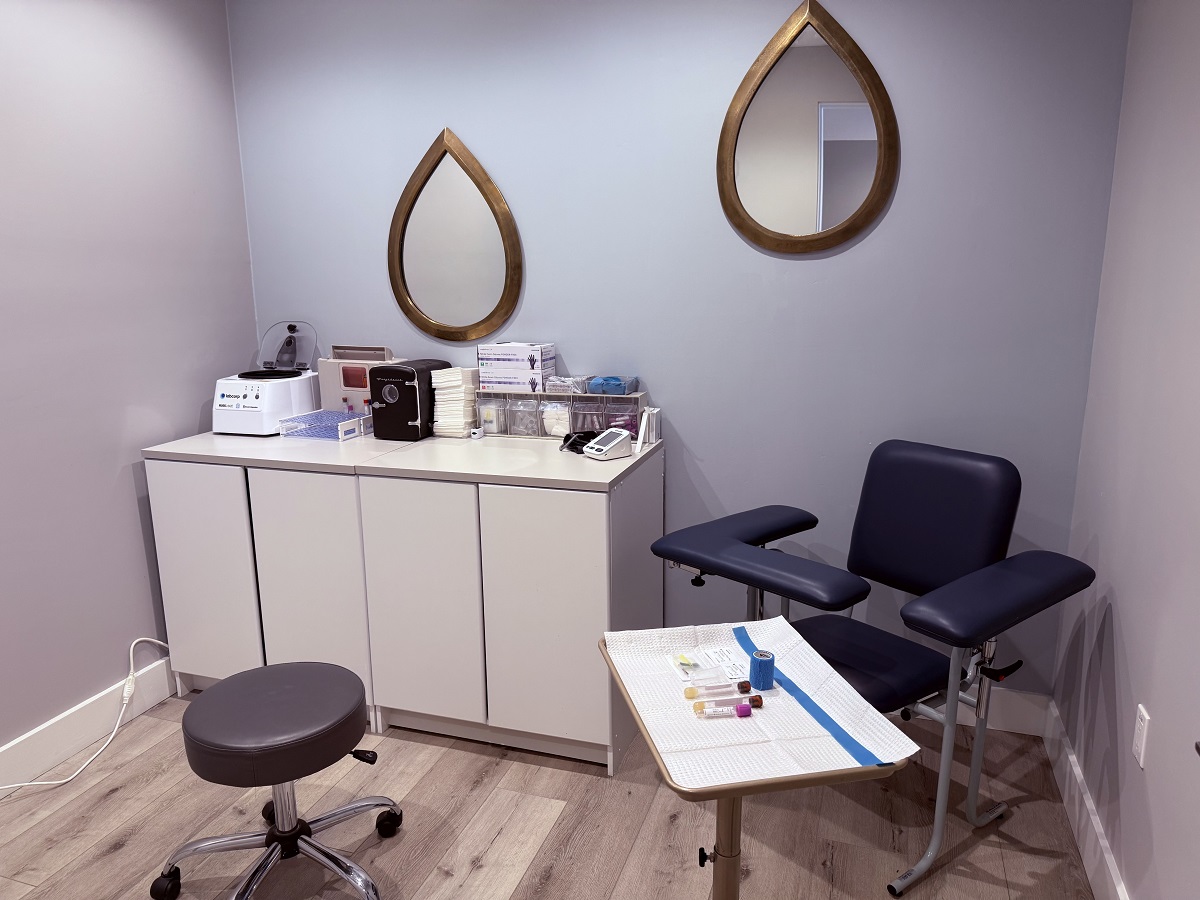
Search volume around testosterone care tells its own story. A lot of men are not starting with a specialist referral or a neat diagnosis. They are starting with a tired afternoon, a slipping sex drive, stubborn abdominal weight, slower gym recovery, and a browser tab that reads, "Trt replacement therapy near me." That search feels simple, but what comes back is anything but. Local primary care offices, urology groups, endocrinology clinics, men’s health centers, med spas, and telehealth brands all present themselves as the obvious answer.
They are not the same.
TRT, short for testosterone replacement therapy, can be appropriate for some men with confirmed hypogonadism. It can also be overprescribed, poorly monitored, or sold with promises that outrun the evidence. The local option that looks easiest on a map may not be the one best equipped to diagnose the cause of low testosterone, decide whether treatment makes sense, and manage the follow-up safely.
If you are comparing providers near you, the useful question is not simply, “Who offers TRT?” The better question is, “Who can evaluate me well, explain trade-offs clearly, and monitor treatment like it matters?” That is where local options start to separate.
The first thing to compare is not price, it is diagnostic quality
A good TRT program begins before the prescription pad comes out. Testosterone is not a single-number story, and symptoms overlap with poor sleep, obstructive sleep apnea, depression, high alcohol intake, obesity, certain medications, overtraining, thyroid disease, and diabetes. Plenty of men feel low for reasons that will not improve with testosterone alone.
That matters because a weak evaluation can send someone down the wrong path for years. In a careful workup, the provider usually wants morning testosterone testing, often on more than one occasion, because levels vary by time of day and from one draw to the next. They should also care about symptoms, not just a lab value printed in red. In many cases, additional testing helps clarify the picture, especially when the level is borderline or the patient is younger than expected. Depending on the situation, that can include LH, FSH, prolactin, estradiol, thyroid markers, CBC, PSA in selected patients, liver function, lipid profile, and a discussion of fertility goals.
This is where local options differ sharply. Some clinics are built around diagnosis. Others are built around conversion.
I have seen the contrast in how visits are structured. In a traditional specialty office, a first visit may feel slow, even slightly frustrating, because the clinician is trying to rule out causes before naming TRT as the answer. In a high-volume cash-pay clinic, the intake can feel more validating and more efficient, but sometimes too efficient. If a man reports fatigue and low libido, gets one lab draw at a non-ideal time, and walks out with a treatment plan the same week, that speed may be a feature for the business, not for the patient.
What “local” actually includes
When people search for TRT nearby, they often imagine an office within a 20-minute drive. In practice, local care now includes hybrid models. A telehealth prescriber may order labs at a national draw site and have the medication shipped, while using a local primary care physician for some follow-up. A brick-and-mortar men’s clinic may run most of the management, but send patients to a local imaging center or lab. Geography still matters, especially for blood draws and visits if issues arise, but local care is no longer one single format.
That broader view helps because the best option is not always the Trt replacement therapy near me nearest one. A high-quality clinician 35 minutes away may be a better long-term fit than the storefront around the corner with same-day injections and glossy marketing. Convenience matters, but convenience without sound management gets expensive fast.
How primary care, urology, endocrinology, and men’s clinics compare
Trt replacement therapy near mePrimary care doctors are often the first stop, and for many men that is appropriate. A strong family physician or internist can sort through common causes of fatigue, assess cardiovascular risk, screen for sleep apnea or medication side effects, and order the first round of labs. The advantage here is context. Primary care sees the whole patient, not just the hormone panel. If you already have hypertension, prediabetes, obesity, or a mood disorder, that broad view can be more valuable than a narrow hormone-focused visit.
The downside is that comfort with TRT varies widely. Some primary care clinicians are excellent with hormone management. Others rarely prescribe it and understandably prefer referral. A patient may hear, “Your level is low-normal, let’s watch it,” from one doctor and “You are an ideal candidate,” from a clinic down the street. Neither response is automatically wrong. The details matter.
Urologists commonly manage testosterone deficiency, especially when symptoms overlap with erectile dysfunction, testicular issues, or prostate concerns. Many men appreciate that urology practices deal with these complaints every day and tend to be comfortable discussing them directly. Urology can be a particularly good fit if the question is not just low energy but sexual function, testicular pain, prior vasectomy, or concerns about shrinking testicular volume during therapy.
Endocrinologists bring deep expertise in hormone physiology and are often especially useful in complex cases. Younger men, men with pituitary concerns, men with unusual lab patterns, and men whose symptoms do not fit the standard picture may benefit from endocrine input. The trade-off is practical. Endocrinology wait times can be long, and some endocrinologists focus less on routine TRT management than patients expect. They may also be more conservative, which is not a flaw, but it can frustrate someone looking for quick treatment.
Men’s health clinics sit at the other end of the spectrum. Their strengths are access, familiarity with TRT logistics, and a care model built around symptom improvement. They often have shorter wait times, clearer pricing, and staff who can walk patients through injection techniques, refill routines, and lab schedules without much friction. The weaknesses show up when the clinic treats every low-energy complaint as a testosterone problem, skips careful diagnostic work, or layers on add-on therapies without a clear rationale.
A med spa can look similar from the outside, but I would place it in a different category. Some are competent and cautious. Others approach testosterone the way they approach cosmetic services, as a menu item. That is where I get concerned. TRT is not a haircut or a vitamin shot. It alters physiology, affects fertility, can raise hematocrit, and requires follow-up that goes beyond “How do you feel?”
Why treatment philosophy matters as much as credentials
Two competent clinicians can manage TRT differently and both stay within reasonable practice. One may aim for symptom control at the low-to-mid physiologic range. Another may target a higher range if the patient tolerates it and labs remain stable. One may prefer weekly injections. Another may use divided doses, gels, or other formulations based on absorption, convenience, and side effects.
Those differences are not necessarily a problem. The problem is when the philosophy is hidden behind vague promises.
A trustworthy local provider can explain why they prefer a given protocol, what the likely benefits are, what may not improve, and how they respond when common issues appear, such as acne, water retention, breast tenderness, mood changes, rising hematocrit, or fertility concerns. A less reliable provider speaks mostly in slogans. “Optimize your levels.” “Feel like yourself again.” “No downside when managed correctly.” Those phrases may sound reassuring, but they conceal the most important part of care, which is judgment.
In the office, this usually becomes obvious quickly. A careful doctor asks when symptoms started, whether the patient snores, how much he drinks, whether he wants children, whether he uses opioids or anabolic steroids, whether he has headaches or visual changes, and whether there is a history suggesting pituitary disease. A sales-driven clinic asks how soon he wants to start.
The money question, and why cheap TRT can become expensive
Price comparisons can be misleading because the line items are bundled differently. One clinic advertises a low monthly fee but requires frequent in-office visits. Another quotes a higher membership price that includes labs, supplies, and clinician follow-up. A specialist office may bill insurance for visits and labs, while the medication goes through a pharmacy benefit. A cash-pay men’s clinic may be straightforward and faster, but entirely out of pocket.
The cheapest quote often leaves out the parts that determine whether treatment is sustainable. If you need regular blood work, travel time, injection supplies, repeat visits for dose changes, and occasional management of side effects, cost has to be measured over a year, not a first month. The patient who pays a little more for competent monitoring often avoids the more expensive cycle of over-treatment, corrective medications, and provider switching.
I have watched this happen with men who start at a bargain clinic, feel great for six weeks, then get bounced between dose changes, aromatase inhibitors, rising hematocrit, and confusing lab advice. By the time they seek a second opinion, they are paying twice, once for the original program and again for someone to untangle it.
Local convenience still matters, especially for follow-up
A nearby clinic has real advantages. Getting early morning labs before work is easier. Follow-up visits do not require half a day off. If you are learning self-injection, a local nurse visit can remove a lot of anxiety. If a side effect appears, access matters.
But convenience should be weighed against capability. A provider who is five minutes away but hard to reach, dismissive of symptoms, or reluctant to explain abnormal labs is not actually convenient. By contrast, a clinic a bit farther out may run like clockwork, answer portal messages, keep lab schedules tight, and coordinate prescriptions without drama. Over time, that kind of reliability feels much closer than the address suggests.
The practical differences between treatment formats
The local options you compare may also differ by how they deliver testosterone. Injections are common because they are relatively affordable and flexible. Some men like the simplicity and the reliable response. Others dislike needle use or the ups and downs that can happen if dosing is spaced too far apart. Topical gels avoid injections, but transfer risk, variable absorption, and cost can be drawbacks. Longer-acting options exist in some settings, though access, price, and clinic familiarity vary.
This is another area where a seasoned clinician stands out. They do not sell one format as universally best. They ask about schedule, skin contact at home, travel, comfort with injections, insurance realities, and prior experience. The right formulation is not only a medical decision. It is a lifestyle fit. If a protocol works on paper but the patient dreads following it, adherence usually slips.
Fertility is where many local clinics reveal their blind spots
One of the most common mistakes in testosterone care is treating fertility as an afterthought. Men who may want children in the near future need a very clear conversation before starting TRT. Exogenous testosterone can suppress sperm production, sometimes substantially. For a man in his 20s or 30s, or any man still planning a family, that issue is not a footnote. It is central.
A clinic that handles this topic casually is telling you something about its standards. Good local options bring it up early. They do not assume age settles the matter. They ask directly, document the answer, and discuss alternatives or adjunctive approaches when appropriate. Even if the patient ultimately chooses TRT, he should understand the reproductive trade-offs before the first dose, not after months of treatment.
Questions worth asking at the first appointment
The fastest way to compare local options is to ask a few pointed questions and listen to the quality of the answers.
- How do you confirm the diagnosis before starting treatment?
- What labs do you monitor, and how often?
- How do you handle fertility concerns?
- Which treatment forms do you prescribe, and why?
- What happens if hematocrit rises or symptoms improve but labs become problematic?
These questions do not require you to be an expert. They simply reveal whether the clinic has a real process. Strong answers are usually specific, calm, and not defensive. Weak answers are vague, rushed, or focused only on how quickly you can begin.
Red flags that should slow you down
Not every aggressive clinic is unsafe, and not every conservative doctor is right for you. Still, a few patterns deserve caution.
- Treatment offered after one borderline lab, without a broader workup.
- Little or no discussion of sleep apnea, weight, medications, or alcohol use.
- Fertility risks minimized or skipped entirely.
- Pressure to buy supplements, extra hormones, or long pre-paid packages.
- No clear plan for CBC, PSA when appropriate, or ongoing follow-up labs.
One red flag does not always mean walk away. Two or three often should.
Insurance, memberships, and the hidden value of transparency
Many patients assume insurance-based care is automatically cheaper. Sometimes it is. Sometimes the deductible, specialist copays, repeated lab bills, and pharmacy hurdles erase that advantage. On the other side, a membership clinic can be surprisingly cost-effective if it includes clinician access, labs at reasonable intervals, prescription management, and supplies.
Transparency matters more than the payment model. A good clinic can tell you, in plain terms, what the first six to twelve months usually cost, which labs are routine, which visits are included, and what happens if the dose needs adjustment. If the financial explanation feels slippery, the clinical side may be too.
What the best local TRT experiences usually have in common
The strongest programs I have seen, whether in urology, primary care, endocrine, or a dedicated men’s clinic, share a few habits. They do not rush diagnosis. They define success as more than a number. They respect the fact that symptom relief can coexist with risk that needs management. They stay reachable. And they are willing to say, “TRT may not be your best next step yet.”
That last point is easy to overlook. A local provider earns trust not only by prescribing confidently, but by holding off when the picture is incomplete. Sometimes the right move is to treat sleep apnea, reduce opioid use, improve body weight, address insulin resistance, or repeat properly timed labs before committing to long-term hormone therapy. Men who are told this may feel disappointed in the moment, but many later realize they received something more valuable than instant treatment, which is honest clinical judgment.
Choosing the right “near me” result
If you are comparing local options now, start with the type of care you need, not the type of marketing you respond to. If your situation is straightforward, a capable primary care doctor or urologist may handle it well. If your case is complex, unusual, or fertility-sensitive, endocrine or urology input may be worth the wait. If speed and convenience matter most, a reputable men’s clinic can be a reasonable choice, provided it shows real discipline with diagnosis and monitoring.
The strongest sign that you have found a good fit is not hype, same-day treatment, or a polished website. It is the feeling that the clinician is trying to understand the whole problem before treating one lab value. That approach may take an extra visit or two. It usually pays off.
Searching for "Trt replacement therapy near me" is a sensible place to begin. It just should not be where the decision ends. The right local option is the one that combines access with rigor, symptom care with safety, and convenience with enough clinical maturity to know when testosterone is the answer, and when it is not.
SDBody La Jolla
Address: 7710 Fay Ave, La Jolla, CA 92037
Phone number: +18584012383
FAQ About Trt replacement therapy near me
Will insurance pay for TRT therapy in La Jolla, CA?
Coverage varies by plan and may depend on the diagnosis, blood test results, medication and prior authorization. Ask your insurer which visits, lab tests and formulations it covers and what you would pay out of pocket.
What is the most affordable TRT clinic in La Jolla?
Compare written estimates for the initial visit, lab work, medication and follow-up monitoring. Your total cost will depend on your insurance and the care your clinician recommends.
Is TRT replacement good for you in La Jolla, CA?
Testosterone replacement may help some people with symptoms and consistently low testosterone confirmed by blood tests. A clinician can review the potential benefits, risks, fertility plans and monitoring needs before recommending treatment.